TMI Newsletter | January 2024
Featured News
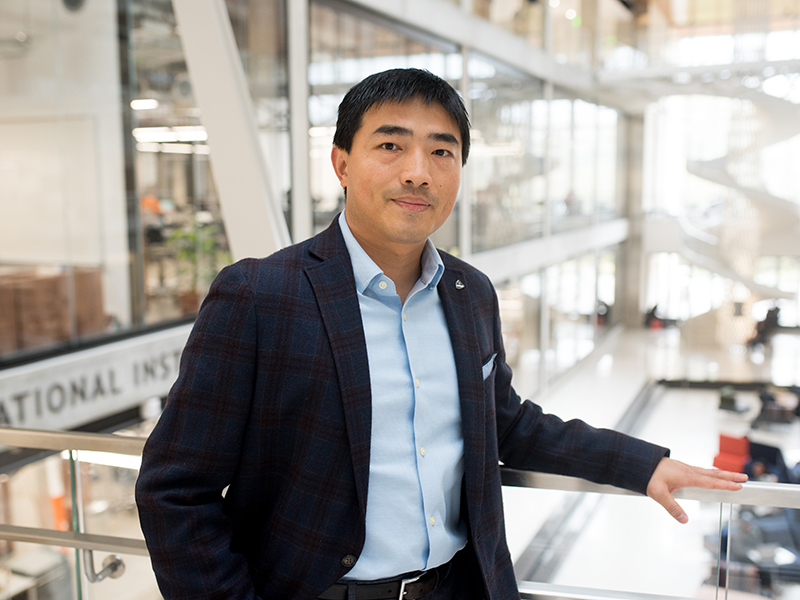
Dr. Guihua Yu's lab group at Texas Materials Institute and Walker Department of Engineering, were recently highlighted in a special, Water Outlook by Nature. Yu's research group first introduced a new concept in the field--using hydrogels to store and release liquid water through reversible swelling of special polymers, called 'super moister-absorbent gel' (SMAG).
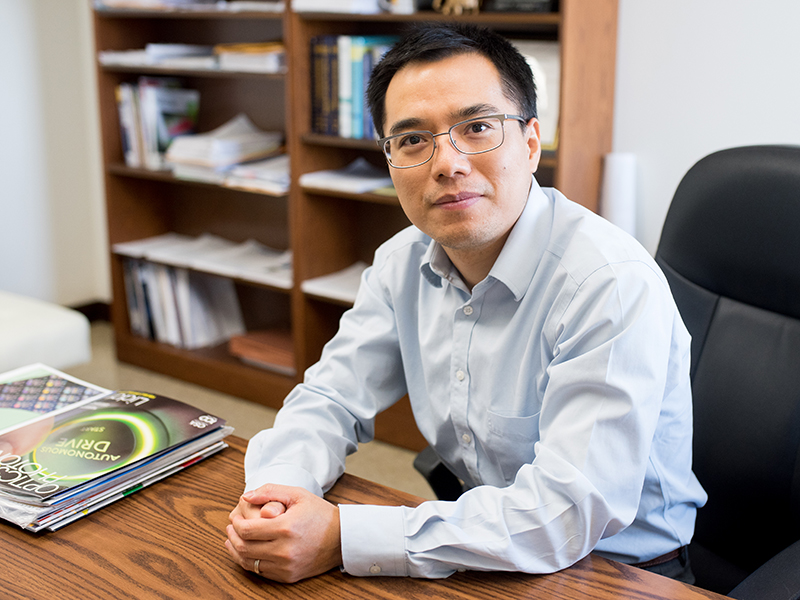
Associate Professor and Graduate Advisor, Yuebing Zheng, shared his insights into and recent work on AI and photonics with Benjamin Skuse, who wrote a feature article "The virtuous circle of AI and photonics", in Photonics Focus, the award winning society magazine of SPIE. Zheng's focus is highlighted in the context of the virtuous circle of AI and photonics.
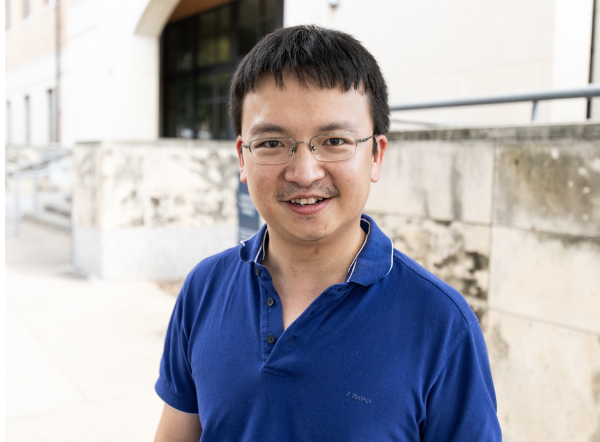
Dr. Wang, Assistant Professor in BME and Texas Materials Institute, has been honored with the prestigious NSF Career Award. He was awarded for his project that delves into the creation of new nanoparticles to unravel the mysteries of the brain! It is a testament to the project's alignment with NSF's mission.
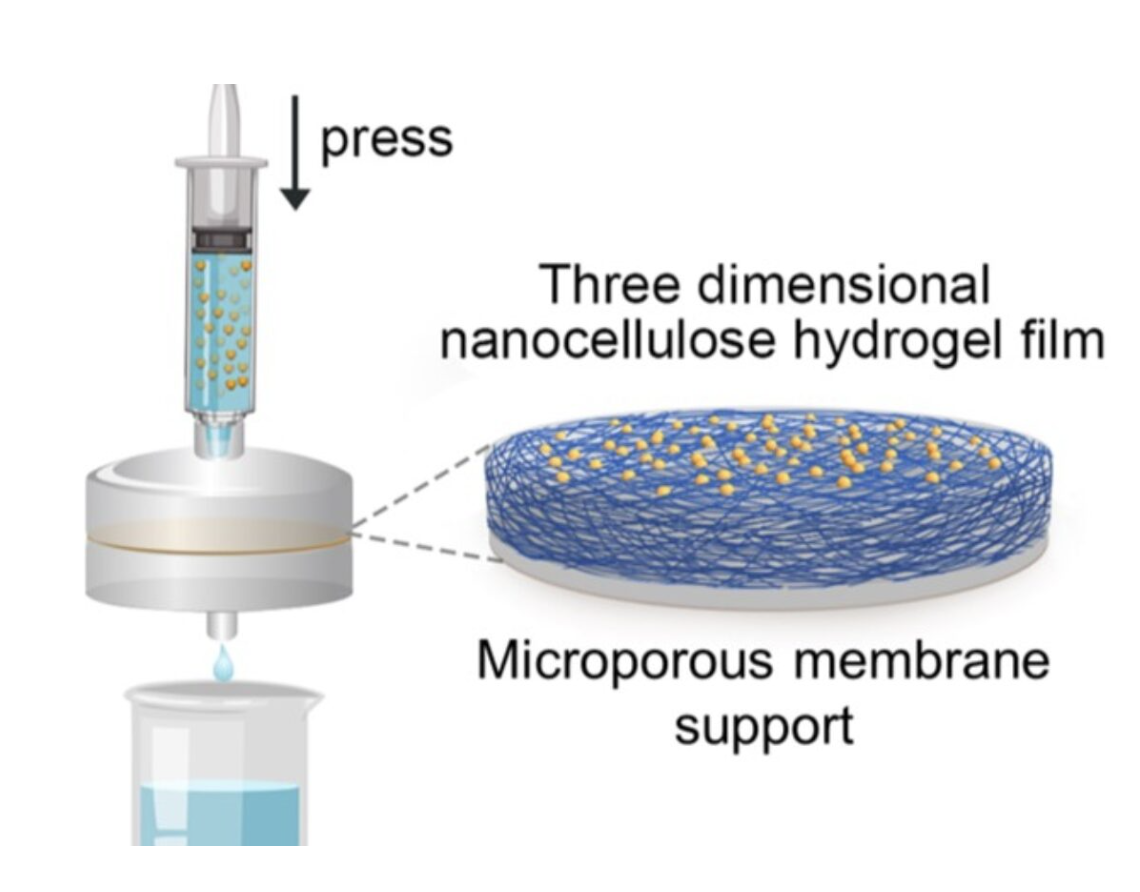
More than 2 billion people lack access to clean drinking water. A new, portable and affordable water filtration solution created by researchers at the University of Texas at Austin aims to change that. The research team, including TMI's very own Dr. Guihua Yu, was motivated by one of the United Nations' Sustainable Development Goals to improve drinking water standards and sanitation worldwide.
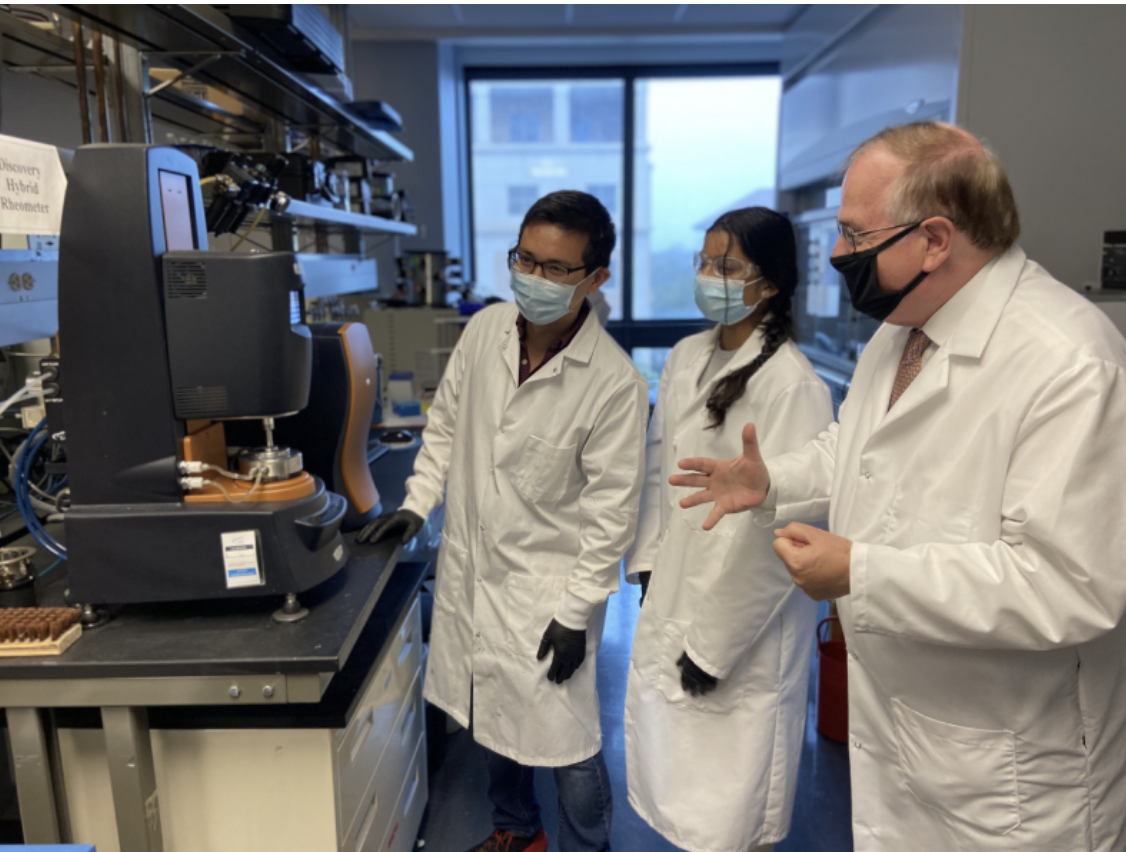
Professor Nicholas Peppas, co-author of "A Bright Future in Medicine for Chemical Engineering" was among a handful of prestigious researchers whose publications were featured in the inaugural issue of Nature Chemical Engineering. It is a new monthly online journal that debuted January 11, 2024. It aims to highlight various aspects of chemical engineering, from fundemntal scientific advancements to the design, scale-up, and optimization of chemical processes that impact society.
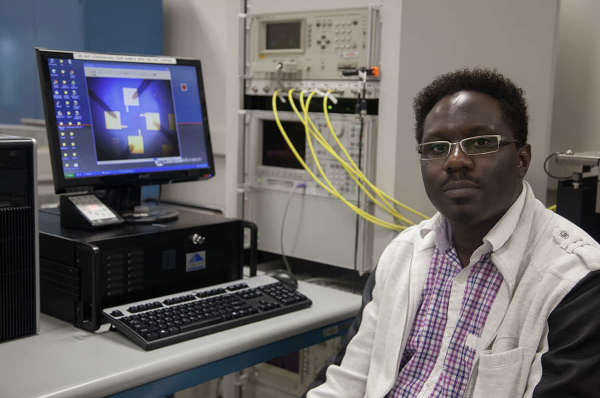
Professor Akinwande receives Office Naval Research (ONR) funding for research focused on making computer systems that are energy-efficient, and brain-like, specifically studying a tiny component called an 'atomristor.' Success in this research could greatly improve the speed and efficiency of atomristors, benefiting advanced artificial intelligence and machine learning.
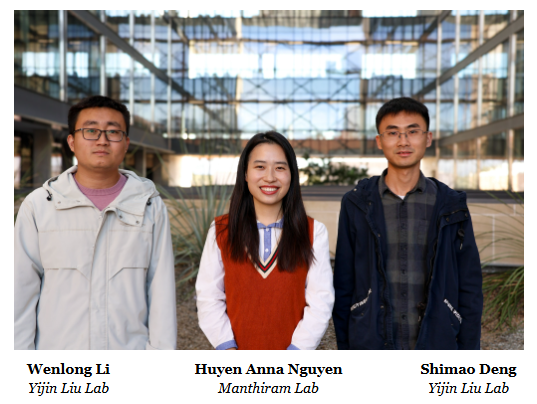
Welcome our Spring 2024 Cohort!
MSE 397 Seminar Series
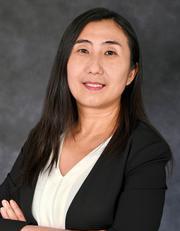
Dr. Ying Sung, University of Cincinnati
February 07, 12:00 pm - 1:00 pm CST
Dr. Ying Sun, Herman Schneider Professor and Head of the Department of Mechanical and Materials Engineering at the University of Cincinnati, leads the Complex Fluids and Multiphase Transport Laboratory. This presentation highlights applications such as capillary-driven assembly in additive manufacturing, drop impact dynamics, unsupervised learning for boiling heat transfer, and flow-assisted energy storage systems. Dr. Sun's work aims to uncover new physical insights and enhance energy solutions and sustainable manufacturing processes.
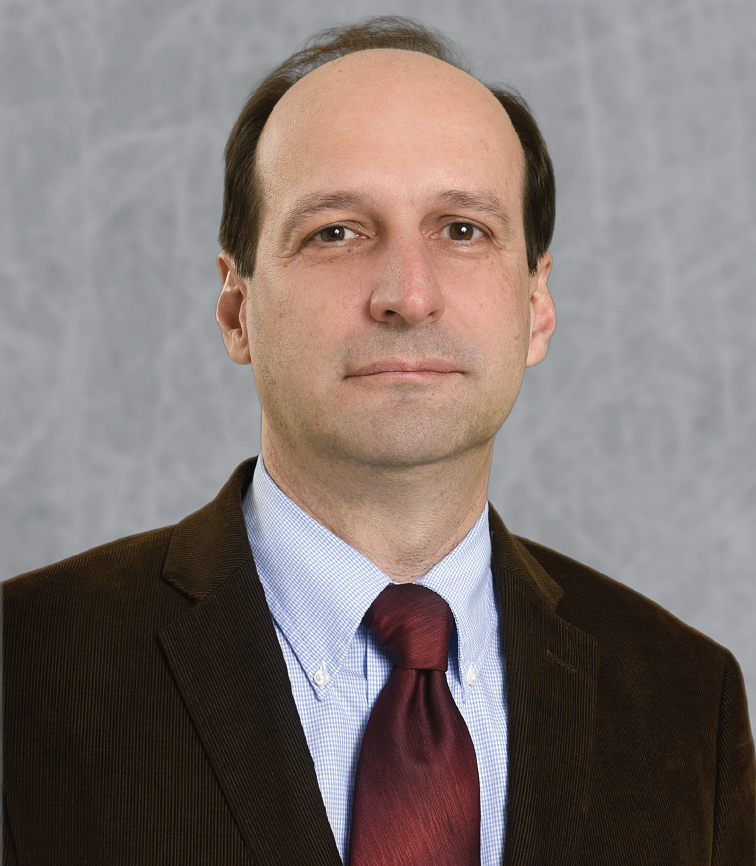
Dr. Orlin Velev, North Carolina State University
February 14, 12:00 pm - 1:00 pm CST
Dr. Orlin Velev, a distinguished professor at NC State University, will discuss the development and applications of multifunctional motile microdevices in his presentation. The focus is on designing active particles with complex shape, structure, and programmable motility, exploring principles such as AC electric fields for directional propulsion and magnetic assembly for dynamically reconfigurable structures. Dr. Velev's innovative research in colloidal nanostructures has earned him numerous awards, including the NSF Career, AIChE Andreas Acrivos Award, and ACS Langmuir Lecturer.
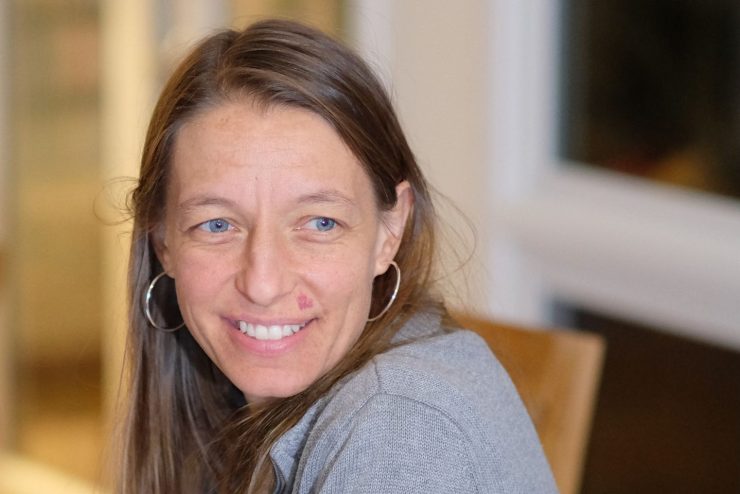
Dr. Michelle Johannes, Naval Research Laboratory at D.C.
February 21, 12:00 pm - 1:00 pm CST
Dr. Michelle Johannes, Head of the Center for Computational Materials Science at the Naval Research Laboratory, explores the optimization of battery and fuel cell materials in her talk. Discussing the intersection of costly laboratory techniques and computational simulations, she emphasizes the role of density functional theory (DFT) in understanding materials physics, including quantum effects, and its application in designing and improving battery materials.
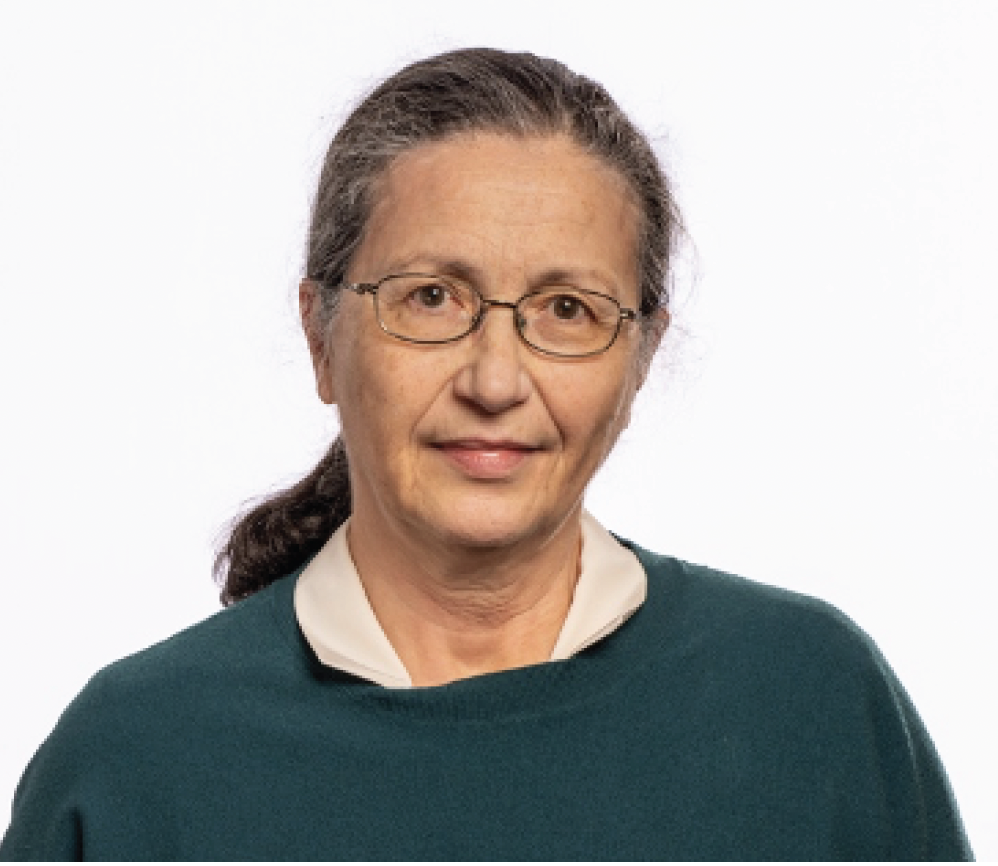
Dr. Annabella Selloni, Princeton University
February 28, 12:00 pm - 1:00 pm CST
Dr. Annabella Selloni, the David B. Jones Professor of Chemistry at Princeton University, will discuss the use of deep neural network-based molecular dynamics simulations to unravel the structure and chemistry of aqueous solution-oxide interfaces. Dr. Selloni's talk highlights the significance of machine-learned potentials in providing accurate simulations for larger systems and timescales, offering insights into environmental, biological, and energy-related photoelectrochemical processes.
Meet your TMI Faculty with Dr. Kent Zheng
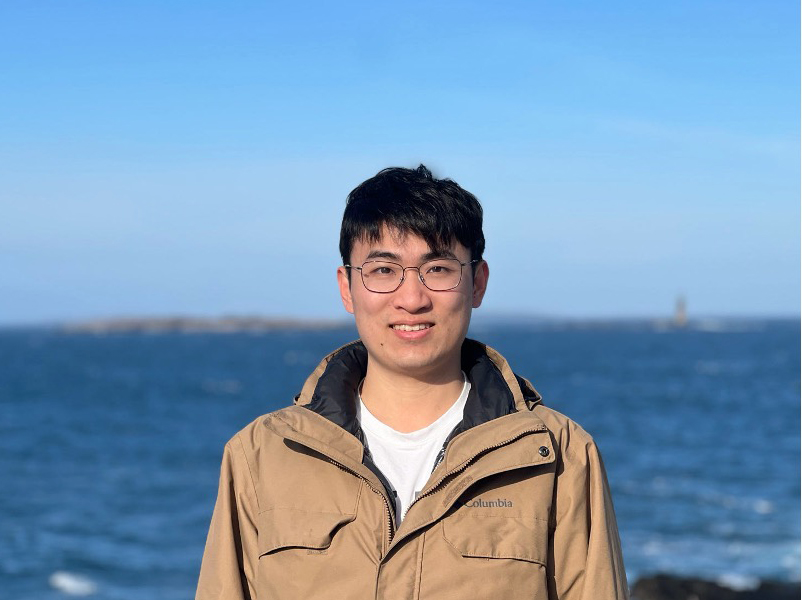
Dr. Kent Zheng is a new Assistant Professor in the McKetta Department of Chemical Engineering and Texas Materials Institute. His department research areas include advanced materials, polymers and nanotechnology energy. Zheng's focus is understanding and controlling electrochemical synthesis of crystalline materials for energy and sustainbility. The groups current research encompasses various areas such as next generation batteries, atomically-precise additive manufacturing, exotic quantum phases, and the fundamental electrochemistry that underpins their realization.
Please help us welcome Dr. Zheng to the Longhorn Family!
What did you do before your current position?
I was a postdoctoral researcher with Prof. Joe Checkelsky at MIT Physics. Before that, I did my PhD thesis study with Prof. Lynden Archer at Cornell ChemE. During these periods, I focused on electrochemical growth of crystals, but in different contexts—batteries at Cornell, epitaxial growth/quantum materials at MIT.
What motivated you to become involved in Materials Science Engineering?
I was originally motivated by my father, who was by training a chemist; He showed me how a pH indicator (made of some type of vegetable juice) worked when I was around 6, and that was so fascinating. This got me into chemistry. I stumbled onto materials science and engineering later on, primarily because I love the symmetry built into crystalline matter. It is also fun to see how such fundamental symmetry manifests itself in the properties of crystals in many ways.
Describe the most memorable event or experience you’ve encountered in your career?
That must be the first time I used an aberration-corrected scanning transmission electron microscope to "see" real atoms in materials! That happened in the summer between my freshman and sophomore year. This opened up the whole world of doing creative research work, in particular, surrounding crystalline materials (check out our group website!) and their numerous applications.
What is your favorite thing to do when you’re not working?
Well...I don't consider doing research and teaching "working"; They are sort of fun by themselves. But when I'm not doing these - I swim, run, read (mostly J.D. Salinger), etc. Other than that, I'm looking to resume practicing singing.
Upcoming Events & Announcements

Spring 2024 Academic Dates
- 12th class day: January 31
- Q-drop period: Feb 1-12
- Last day to hold a doctoral dissertation defense, to apply for a graduate degree, and to change grade status from credit/no credit basis: April 12
- Deadline to submit final paperwork to the Graduate School for graduation: April 26
- Last class day and last day to withdraw from spring semester: April 29
