
TMI Newsletter | September 2026
Featured News
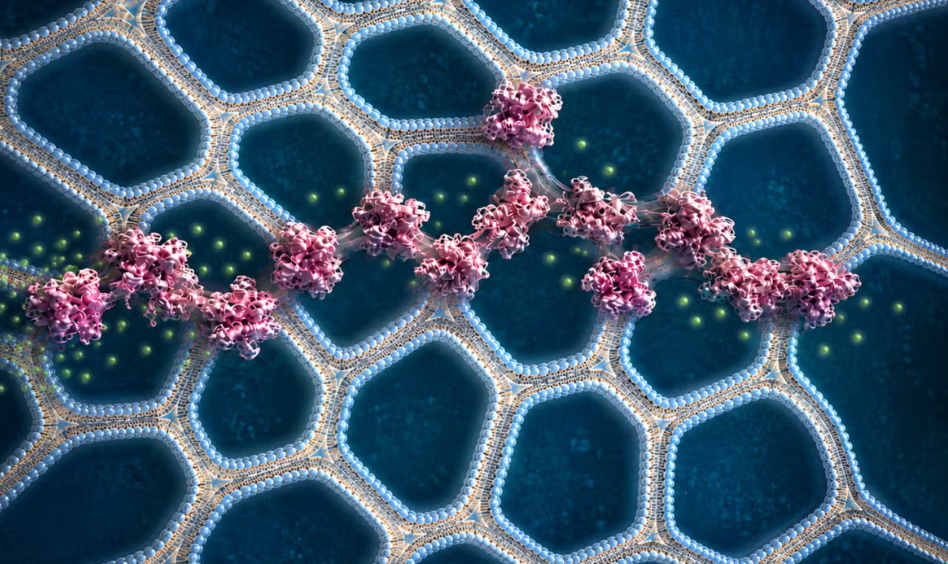
“Tissues can separate and transport ions and molecules; that’s how our kidneys or intestines work, taking only what they need and leaving the rest behind,” said Manish Kumar, professor in the Cockrell School of Engineering’s Fariborz Maseeh Department of Civil, Architectural and Environmental Engineering and the McKetta Department of Chemical Engineering.
Published by UT News.
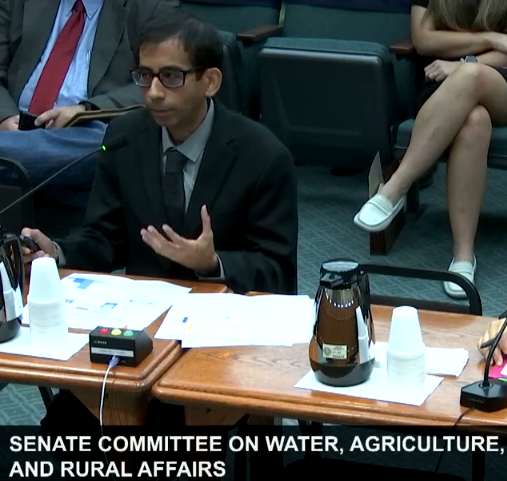
On September 1st, Dr. Vaibhav Bahadur testified before the Texas Senate Committee on Water, Agriculture, and Rural Affairs concerning water usage by data centers in Texas. His presentation, "Water-related Aspects of Data Centers in Texas," touched upon how cooling data centers works and the different types of cooling processes.
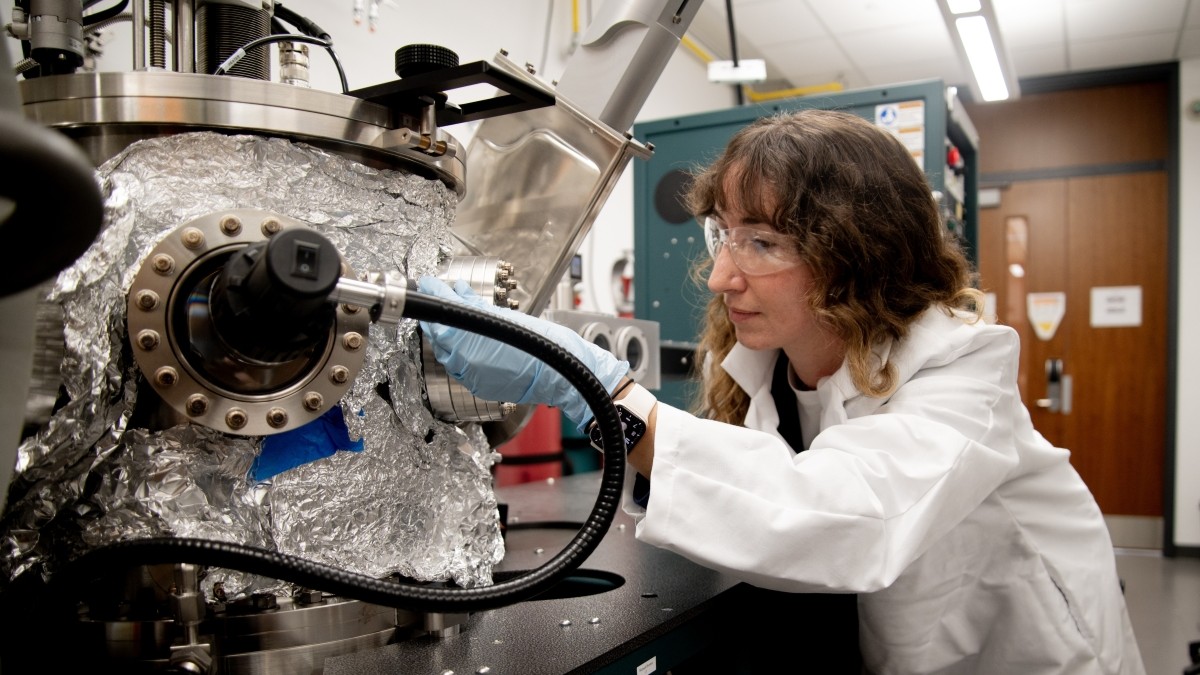
“We show that SOT-MRAM AI accelerators can provide the energy efficiency, with enough accuracy, to eventually replace CPU-based AI accelerators in edge devices such as sensors,” says Jean Anne Incorvia, associate professor in the Cockrell School of Engineering’s Chandra Family Department of Electrical and Computer Engineering and the faculty leader on the project.
Published by Cockrell School of Engineering.
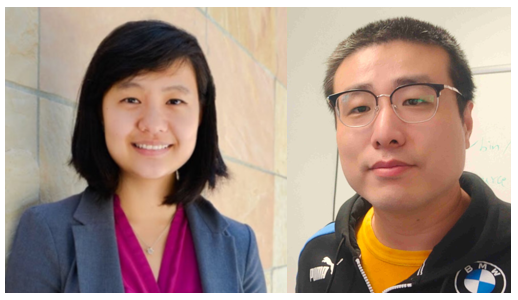
Singlet fission is a process in which one absorbed photon can generate two triplet excitations, offering a potential route toward solar energy materials that make more efficient use of incoming light. Xin Chang, a postdoctoral researcher, and Wennie Wang, an assistant professor in the McKetta Department of Chemical Engineering and an affiliate of TMI, have developed a theoretical framework that explains when these normally difficult-to-observe triplet-pair states can leave a detectable fingerprint in a material's optical spectrum.
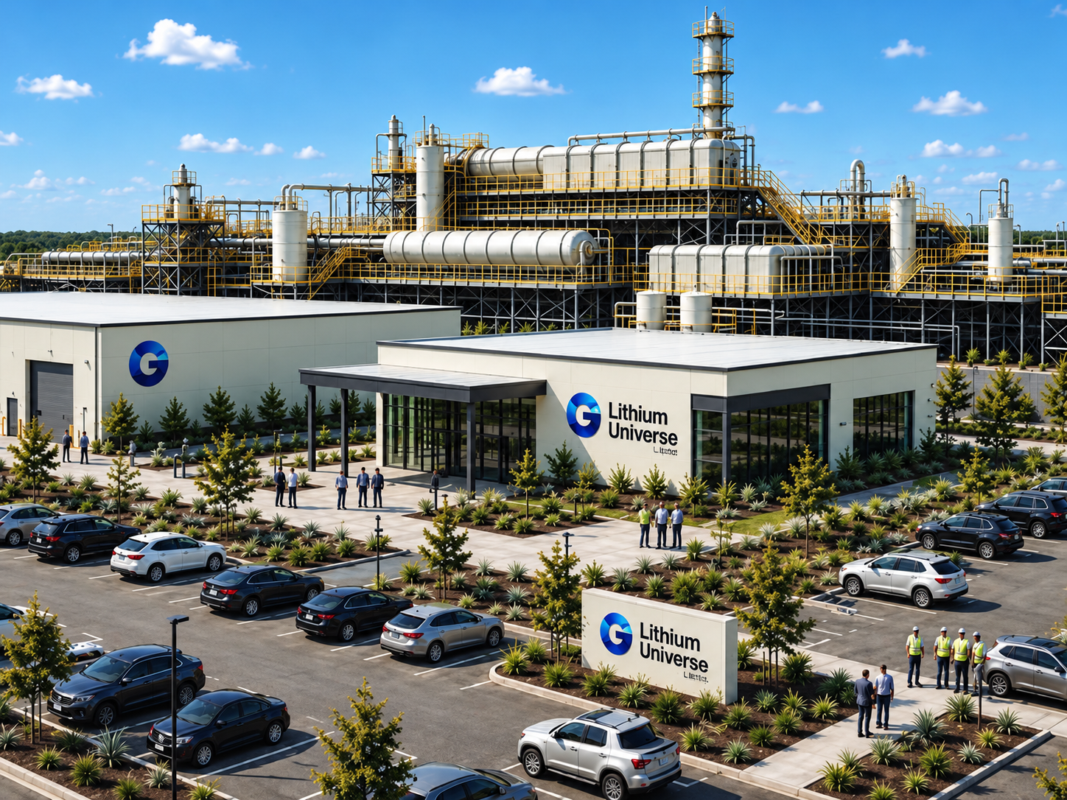
“We don’t want to be depending on other countries to make lithium carbonate and ship it to us,” Arumugam Manthiram, a materials scientist and engineer at the University of Texas at Austin whose inventions led the way for the creation of certain lithium batteries, told the Rio Grande Valley Business Journal.
Published by Rio Grande Valley Business Journal.
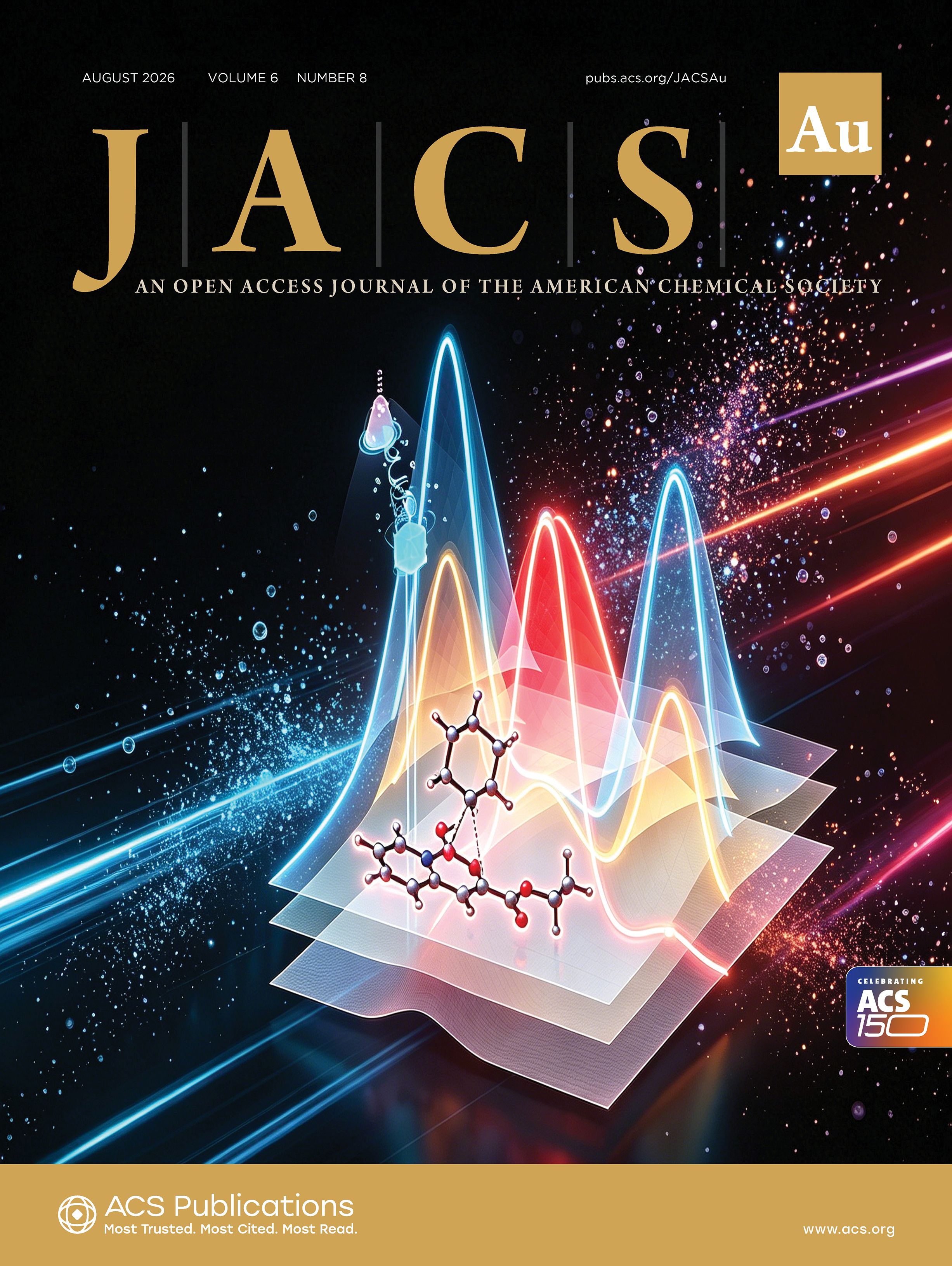
Dr. Devleena Samanta, an Assistant Professor in Chemistry, along with her students Seungheon Lee and Atri Bhattacharya, postdoctoral researcher Subrata Pandit, and a team of researchers have discovered that spherical nucleic acids (SNAs), nanoparticles surrounded by a dense layer of DNA, can interact with enzymes and enhance their activity without permanent chemical attachments or specially designed binding sites.
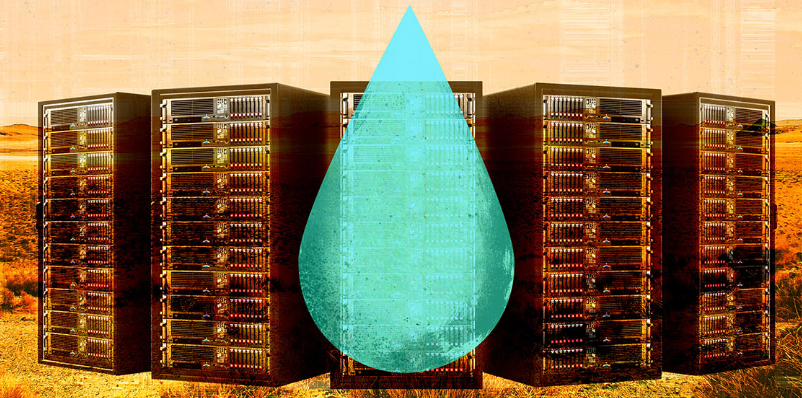
"But when it’s extremely hot or humid, the centers need to bring online extra, more effective methods that involve water; one of these is to mist the air around the pipes. Mechanical engineer Vaibhav Bahadur at the University of Texas at Austin says that most AI data centers in Texas only use this kind of water-based cooling for the hottest parts of the summer."
Published by Knowable Magazine.
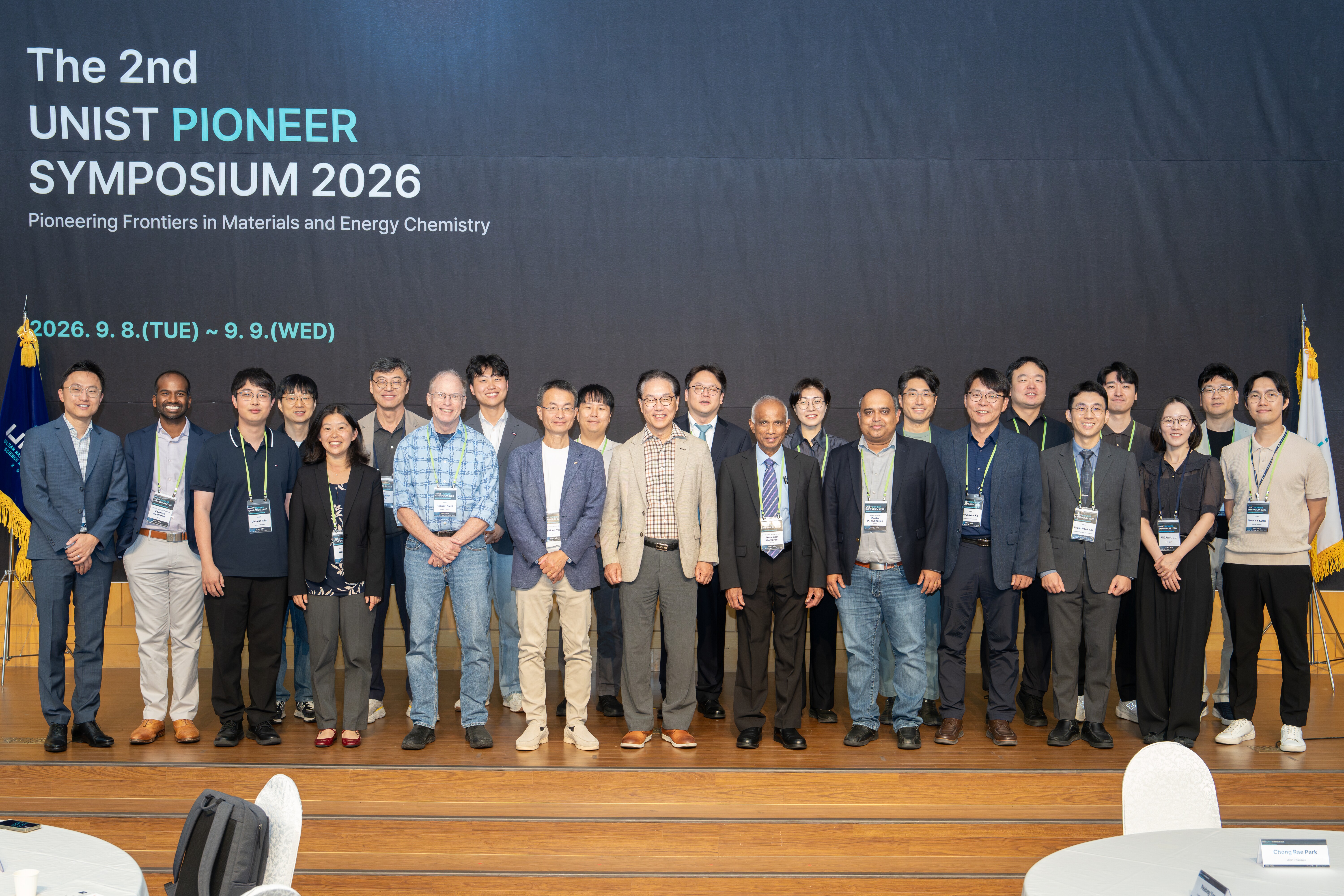
Dr. Arumugam Manthiram gave a plenary talk, "Tuning Battery Performance Metrics by Modulating Chemical Bonding in Cathodes" at the UNIST Pioneer Symposium in Ulsan, South Korea on September 8th, 2026. He also took part in a panel discussion the next day with other battery experts.
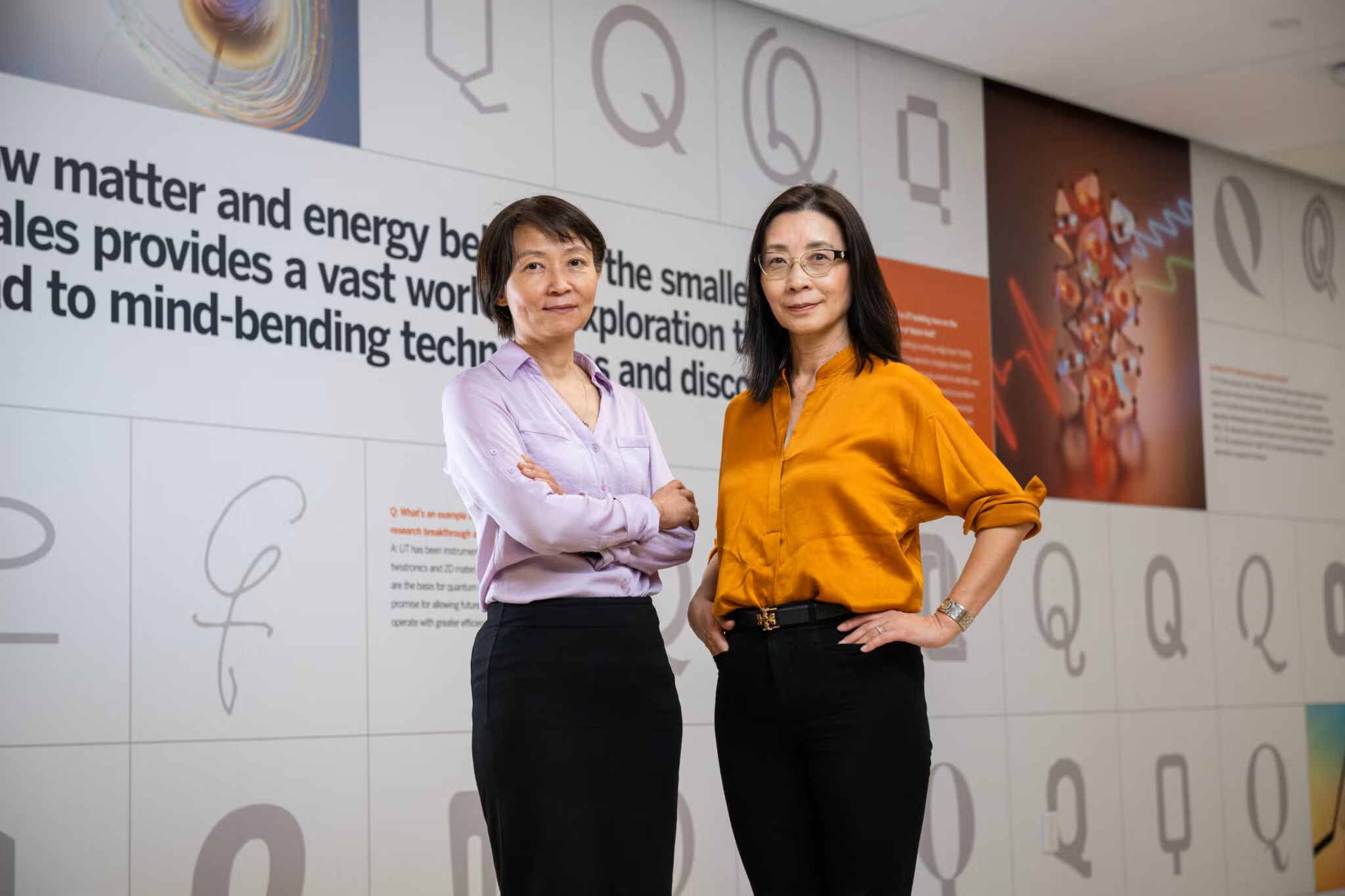
The Texas Quantum Institute, or TQI, launched at UT in 2024 under the leadership of co-directors Elaine Li and Xiuling Li (who are not related) to bring together quantum research capabilities from across campus. Physicists, chemists, computer scientists, engineers and other researchers in TQI began to work together to build on the institution’s “strong track record in designing algorithms for quantum computers, developing materials with unprecedented properties, inventing advanced measurement tools, and building quantum systems,” as Elaine Li put it at the time that the institute was established.
Published by UT News.
Devleena Samanta Named Vice Chair of Next Gordon Research Conference on Medicine & Biology

Dr. Samanta, an Assistant Professor in Chemistry and associate faculty member of TMI, was elected as the Vice Chair for the Gordon Research Conference on Drug Carriers in Medicine and Biology, which will take place in 2028.
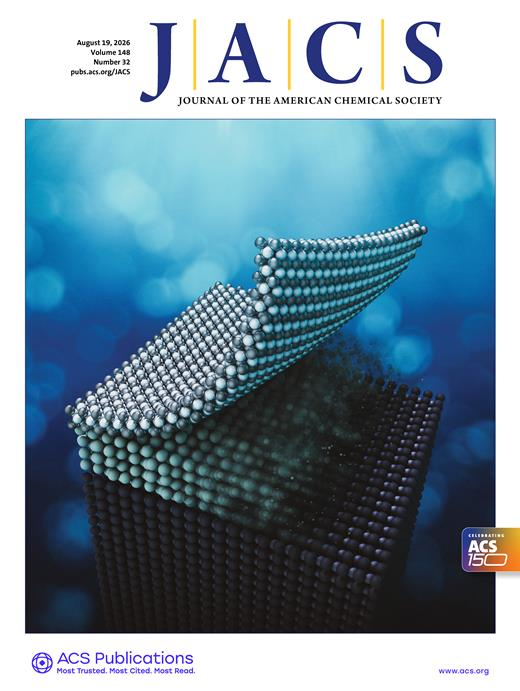
Researchers in the Manthiram Research Group have developed a new way to overcome a key compatibility challenge in sodium-metal batteries. Ether-based electrolytes work well with highly reactive sodium metal, but they tend to break down at the high voltages needed for higher-energy batteries. Zhiming Zhao, a research associate in the group, Dr. Arumugam Manthiram, and TMI scientist Dr. Andrei Dolocan have developed a new electrolyte chemistry that allows ether-based electrolytes to operate with high-voltage cathodes while maintaining stable sodium-metal cycling.
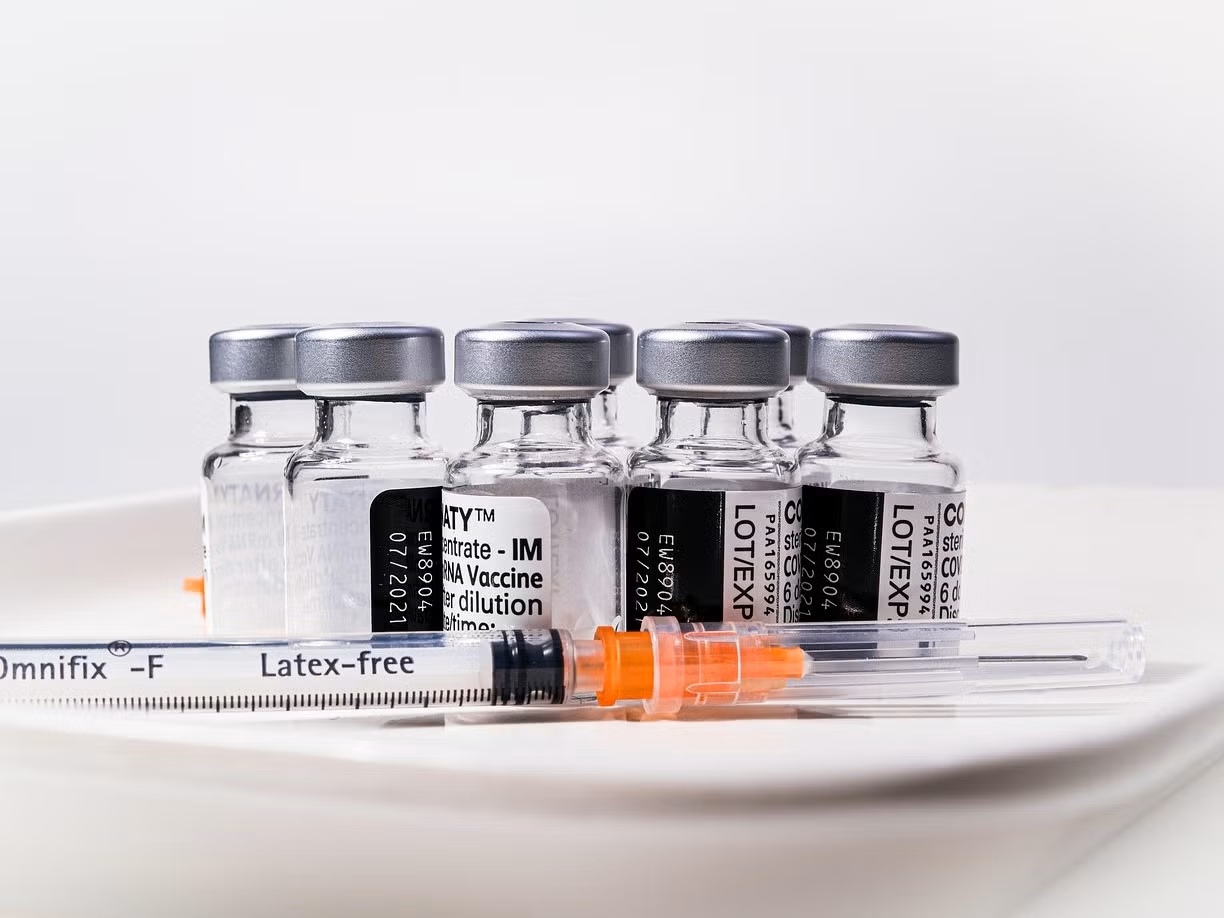
“Our study shows that something as simple as the storage solution can make a huge difference in how well mRNA medicines work,” said Alex Marras, an assistant professor in the Cockrell School of Engineering’s Walker Department of Mechanical Engineering and one of the lead researchers of the research published in ACS Nano. “By understanding how the buffer molecules influence particle nanostructure and their interactions with cellular compartments, we can help make these therapies more stable and effective, even after they’ve been frozen and shipped around the world.”
Published by the Cockrell School of Engineering.
Dr. Vaibhav Bahadur, an associate professor in the Walker Department of Mechanical Engineering and an affiliate of the Texas Materials Institute, was part of a team of researchers who have published a review of hydrate-based gas separation (HBGS), an alternative method promising to capture CO2 from industrial gases in an effort to reduce greenhouse gas emissions. They used results from more than 50 experimental studies and compared the cost of HBGS to the established technology of monoethanolamine (MEA) absorption.
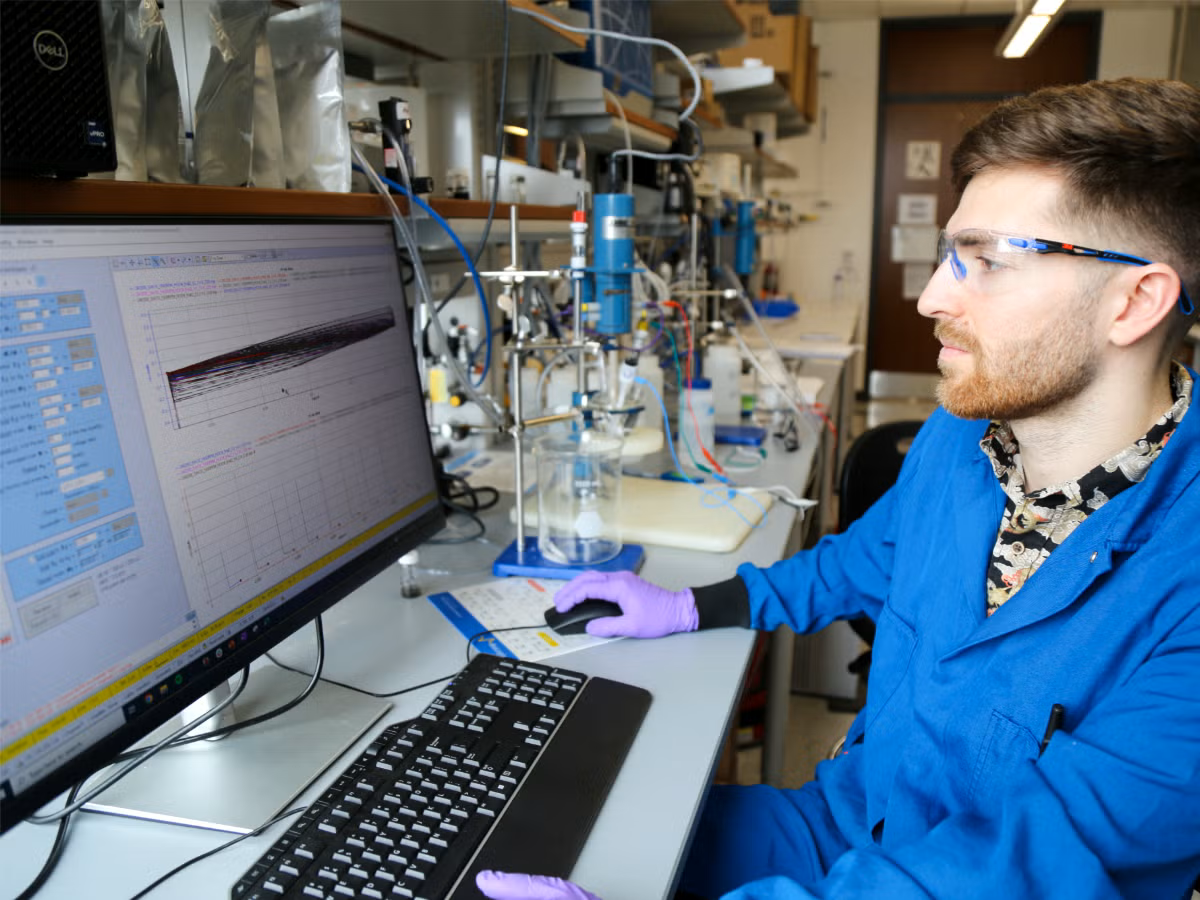
UT Launches New Materials Science Bachelor’s Program
From alternative fuels to the next quantum computer, it starts with materials science.
The University of Texas at Austin is launching a new materials science and engineering undergraduate degree program, building on the University’s leadership in engineering by preparing students for one of today’s most critical fields. The Cockrell School of Engineering began accepting applications for the new Bachelor of Science in Materials Science and Engineering program on Aug. 1, 2026, for enrollment beginning in the Fall 2027 semester.
Students will be equipped to tackle the most pressing issues of modern technology: longer-lasting batteries for cars, phones and laptops; building blocks for microelectronic and quantum systems; materials that can withstand extreme environments in space and nuclear reactors; and new processes to synthesize materials with tailored properties. Advanced materials are the core of these innovations, driving advancements that will take people back to the moon (and beyond), enhance human health, power our society and push the limits of computing.
“I’m very excited to add this new degree program to expand our world-class engineering education offerings,” said Roger Bonnecaze, dean of the Cockrell School of Engineering. “These students are going to be the problem solvers sitting at the intersection of engineering, chemistry, physics and biology.”
Students in the new program will engage with research starting in their first year and put their skills to the test during their final year with a capstone design project. These projects are supported by industry partners and are structured to give student teams experience with realistic engineering challenges.
“Our relationship with industry and our emphasis on real-world learning will ensure graduates are ready not just for the problems for tech right now, but years in the future,” said Bonnecaze.
Students will learn how materials are designed, simulated, tested and improved, including understanding how they respond to heat, electricity, stress and the chemical environment. Computing is integrated throughout the curriculum to accelerate materials discovery and understanding.
Austin’s location adds another layer to the program. The city is a hotbed of technological and manufacturing innovation, with Dell Technologies, Samsung, Tesla, AMD, Texas Instruments and many other global companies operating manufacturing facilities within an hour’s drive of campus.
The new program represents the 12th undergraduate degree offered at the Cockrell School. UT already boasts top faculty researchers and facilities in materials science and a top-20 graduate program through the Texas Materials Institute. The Texas Advanced Computing Center, the Texas Institute for Electronics, the Microelectronics Research Center and the Center for Dynamics and Control of Materials provide additional opportunities to enrich the student experience.
Texas Engineers invented the lithium-ion battery and are at the cutting edge of nanomaterials for semiconductors and sensors. UT materials scientists currently work on everything from broad-spectrum medical treatments to smarter ways to recycle plastics.
For more information and to apply, visit the program webpage.
Published by UT News.
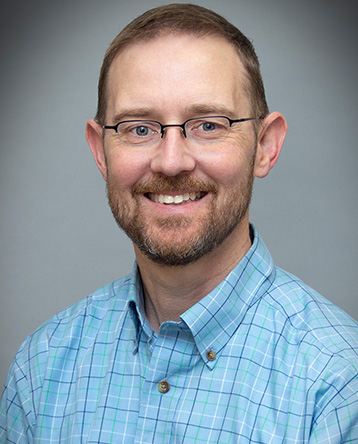
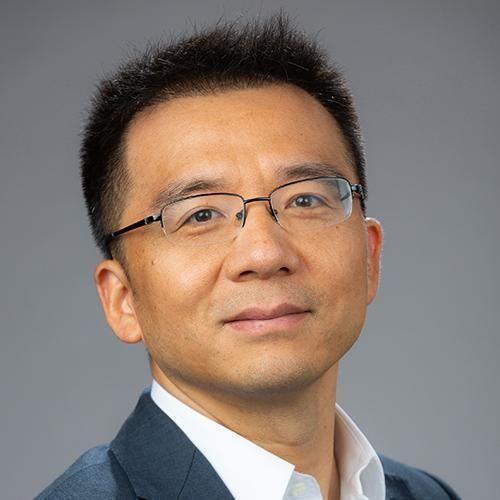
Fall 2026 MSE 397 Seminar Series
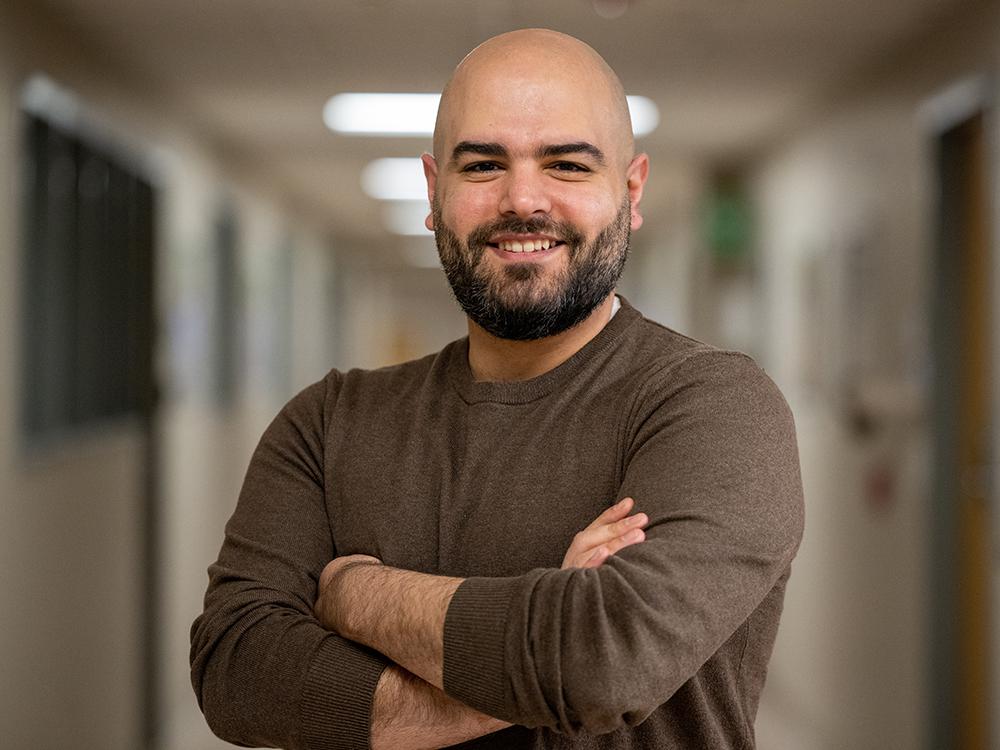
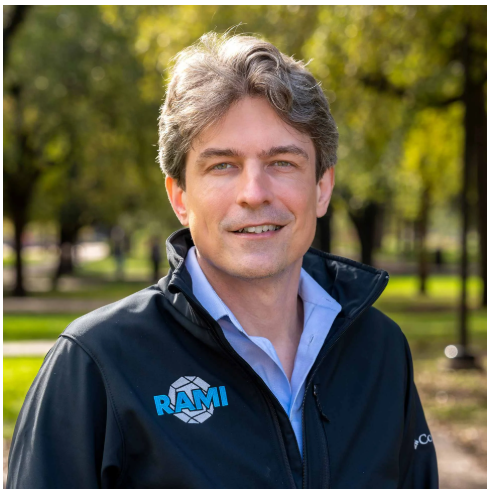
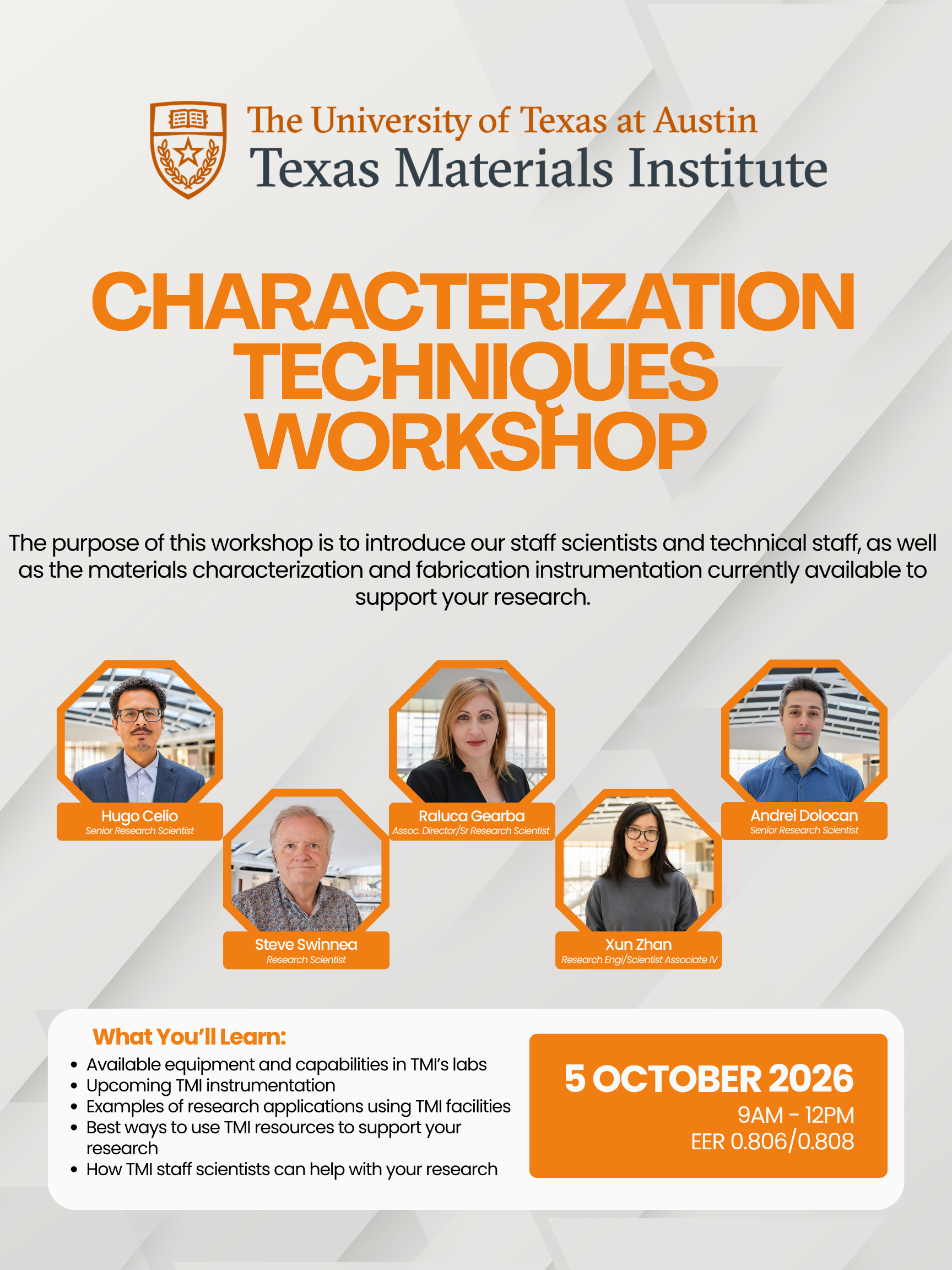
Fall TMI Characterization Workshop
Upcoming Events & Announcements

Graduate School October Events
- Consulting Panel Discussion: Oct. 8 | 5-8pm | FAC 2.142
- Data & Donuts: Managing Data with Relational Databases & SQL: Oct. 9 | 12-1pm | PCL
- Graduate Job Search Working Group: Oct. 13 | 1-2pm | FAC 2.134
- International Job Search Summit: Oct. 14 | 3-6pm | FAC 2.142
- Negotiation Workshop for Graduate Students & Postdocs: Oct. 22 | 12:30-1:45pm | FAC 2.142
- Quant Night: Oct. 29 | 5-7:30pm | Etter-Harbin Alumni Center

Fall 2026 Academic Dates
- Spring 2027 registration: November 2-13
- Last Day to Apply for a Graduate Degree: November 13
- Last Day to Hold Dissertation Defense: November 20
- Last Day to Change to from Grade to CR/NR: November 23
- Fall Break: November 23-28
